FOR MY BELOVED GREAT AUNT, MARIE SLINKARD.
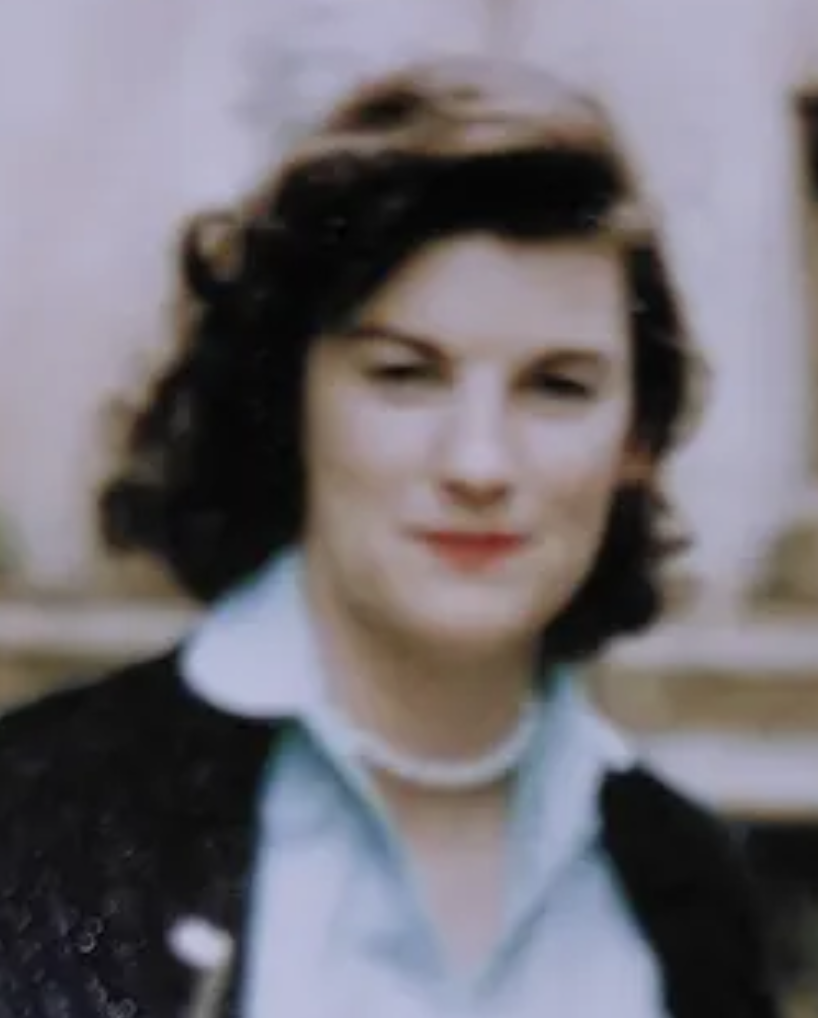
MARCH 30, 1929 – OCTOBER 12, 2025
WE’LL LOVE YOU FOREVER,
WE’LL LIKE YOU FOR ALWAYS,
AS LONG AS WE’RE LIVING
OUR MARIE YOU’LL BE.
YOU HAVE NOT LOST YOUR PLACE IN OUR FAMILY, NOR YOU WILL EVER.
DISCLAIMER: This is honestly NOT a post bragging or boasting about how superb Philadelphia, PA is compared to other cities, towns, and additional places.
NOTE: To be clear with you, the following post has since been updated after its publication (the Philadelphia Museum of Art was only just named that in 2026).
Of course, we ALL know what the city of Philadelphia (or Philly for short) in Pennsylvania is…
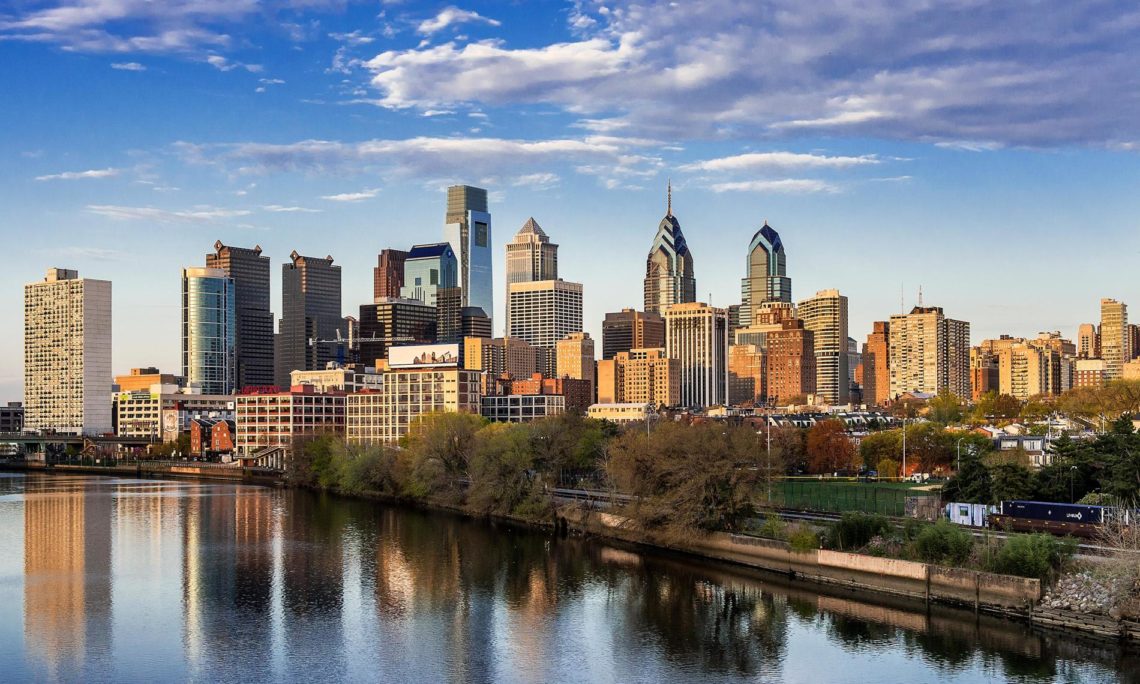
Who wouldn’t know that the city has some unique features, either? Wanna know stuff about it which I myself find interesting? Let me tell all that to you below…
First, I’ll start off with what’s, by far, one of the most important buildings in United States history…INDEPENDENCE HALL!
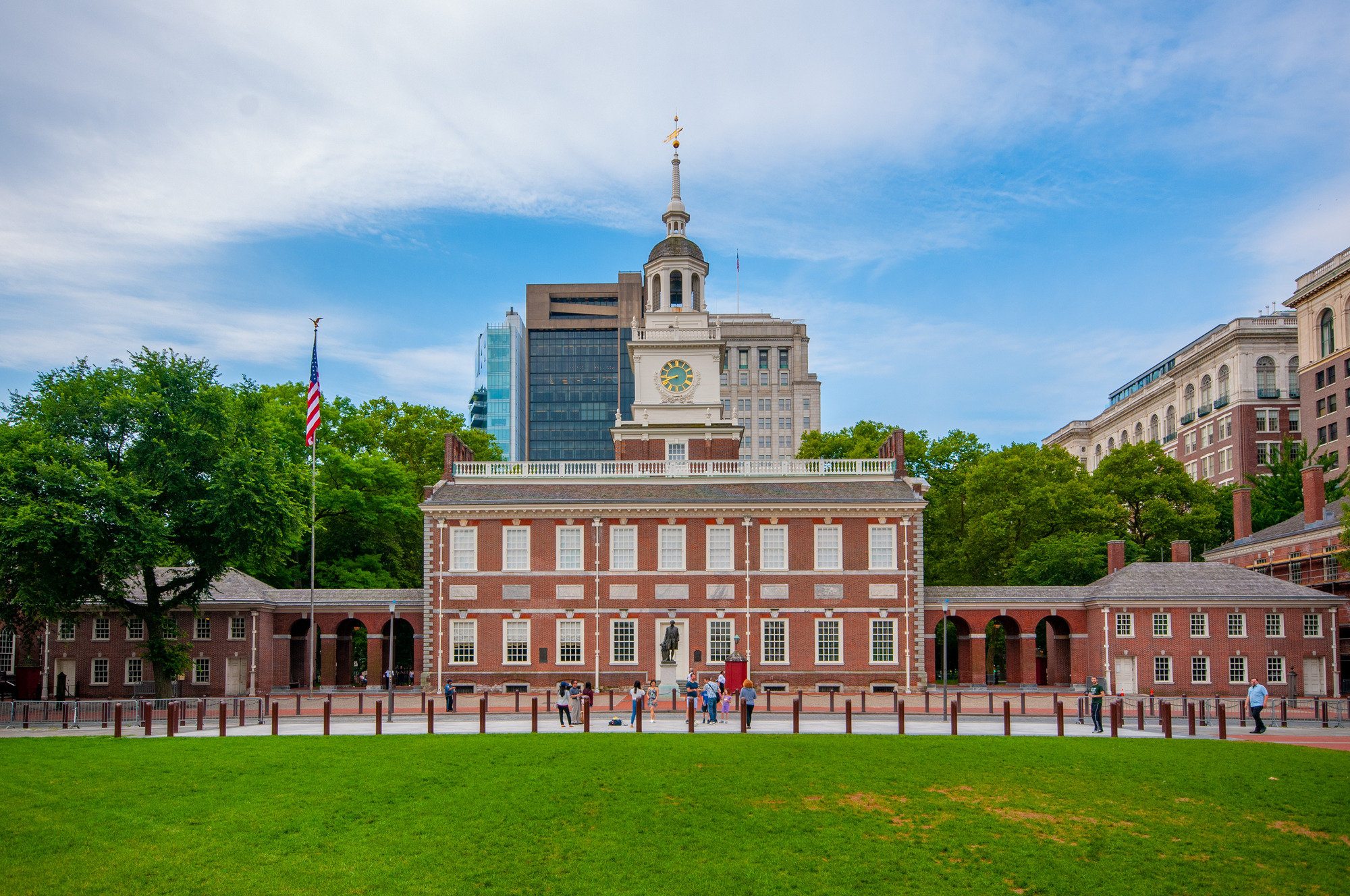
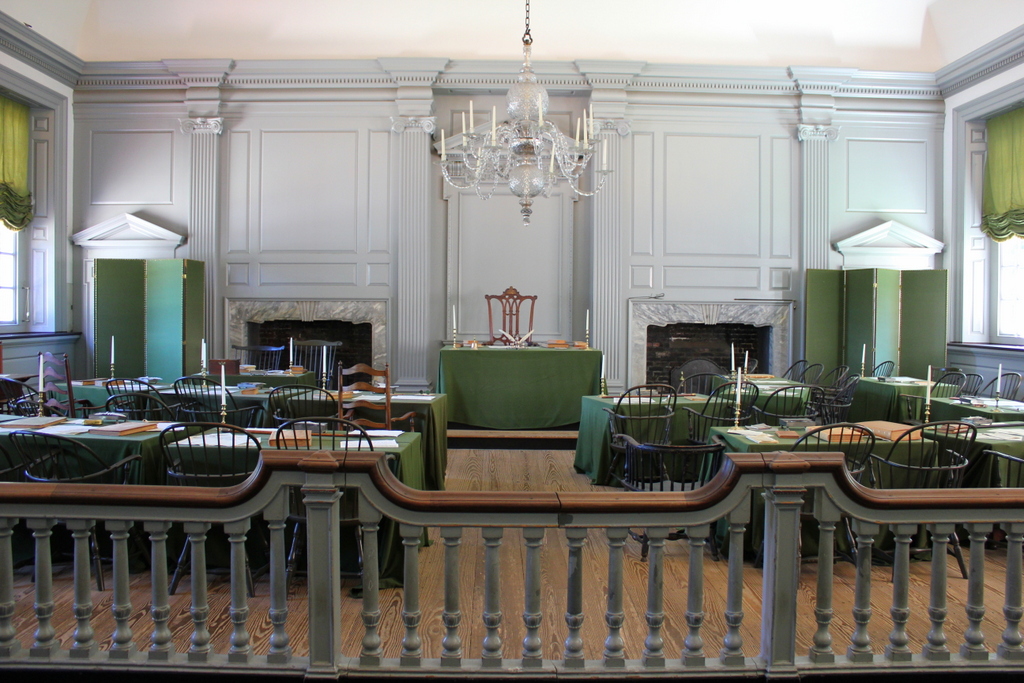
Not only is Independence Hall where the legendary Declaration of Independence signing on July 4, 1776 took place, but it’s also where this country’s U.S. Constitution was assembled and signed as well. You can even go inside the building’s Assembly Room, where both the Declaration of Independence & U.S. Constitution’s signings were.
Let’s not forget Philadelphia’s very iconic LIBERTY BELL, either!
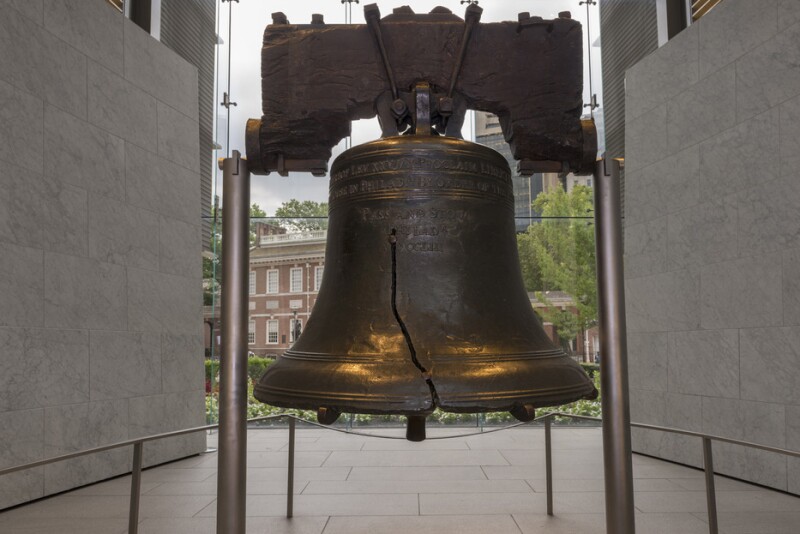
Not only is the Liberty Bell a symbol of independence, but did you know it’s one of noble slavery abolition, also? In fact, this bell’s name directly comes from America’s 19th-century abolitionist movement. The Liberty Bell in Philadelphia may have been commissioned in 1752, but before the mid-1830s, it wasn’t named that. Rather, it was known as the State House Bell/Old State House Bell. However, in 1835, an anti-slavery society from New York published an influential pamphlet, with it printing the Liberty Bell name, being used as a poetic device to sound, “slavery’s knell.” This then-new different name was soon popularized and accepted.
The Liberty Bell may have famously rung for events during certain historical times, although it, sadly enough, has not entirely rung ONCE since 1846. Then, Metalworkers had just done something to fix a crack that developed from its years of heavy use. Afterwards though, when this bell last rang on February 23rd of that year for George Washington’s birthday (despite his birthday being February 22), intense vibrations resulted in a second crack, making Pennsylvania’s Liberty Bell too unstable to ring any longer. Furthermore, those dual cracks completely made it only produce a dull, metallic thud rather than its clear musical note. The bell was then deemed unrepairable at the time, & repairing that thing today would be considered wrecking its history. So, yeah, as much as I regret to say this, Philadelphia’s “original” Liberty Bell which rang charmingly at public events is now apparently dead and gone…forever. But hey, it still HAS been tapped with rubber mallets on special occasions, including for D-Day on June 6, 1944. I’ve also got a link to a U.S. National Park Service website page with a computer generated audio of what the Liberty Bell perhaps sounded like before cracking, as well as a recording of its 1944 D-Day tapping.
Anyway, Philly has got some notable museums, too. When thinking of museums in this city, I’ll bet you would probably have this one in mind: its very own FRANKLIN INSTITUTE! (One of America’s oldest science museums, as well.)
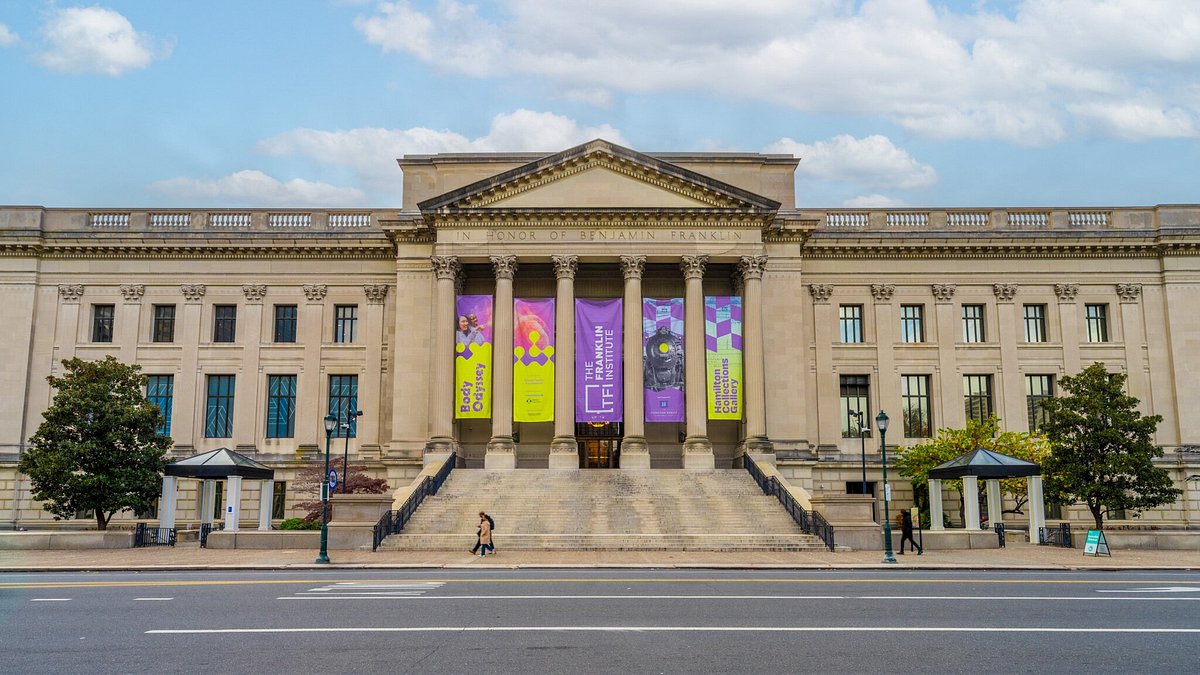
I’ll admit, historical or not, does the Franklin Institute ever have unique & touching features? These include Fels Planetarium (one of the United States’s oldest planetariums), the Holt & Miller Observatory, an exhibit specifically for explaining how a human brain works, another exhibit on different body parts, one area dedicated entirely to sports (plus the science behind how they work), an additional exhibit on machines, daily live science demonstrations, and a large white Benjamin Franklin memorial statue. Though, when thinking of what that museum’s got, I will bet you’d perhaps have THIS in mind: its Giant Heart!
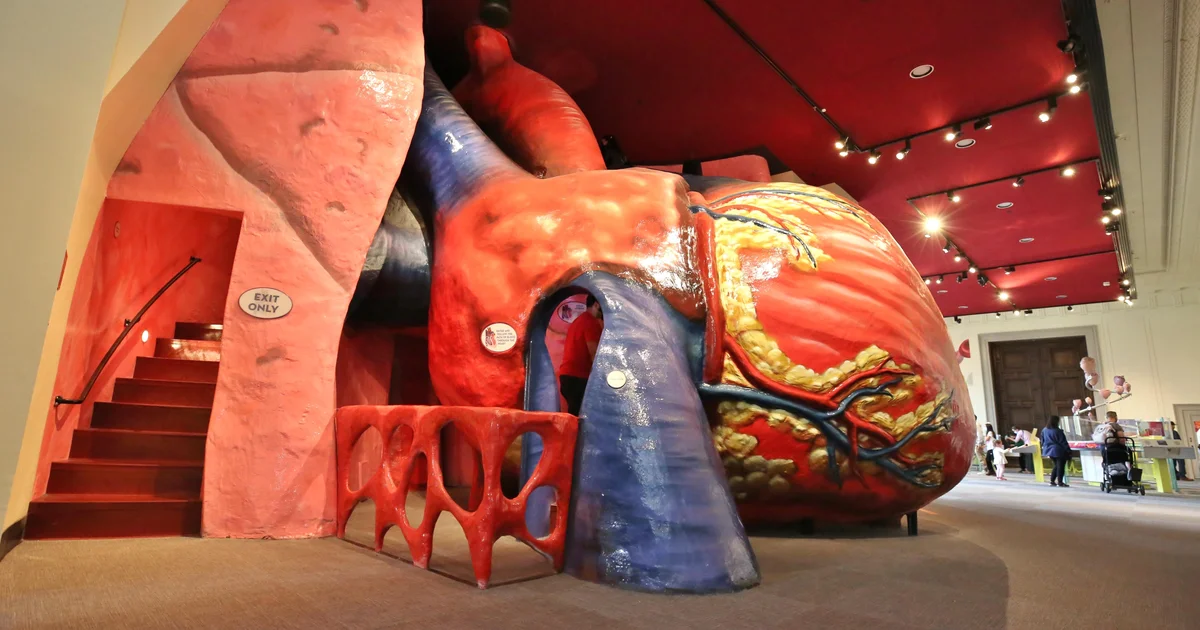
The heart which you can through inside & explore how one works is more than only that. When first put up in 1953 and opened in January 1954, it was originally supposed to be on display for just six months, but this soon changed, thanks to the Giant Heart ever becoming popular. It’s become a Philadelphia icon, also.
You might be familiar with yet another Franklin Institute piece: 1926 steam engine Baldwin Locomotive Works 60000. Number 60000 was designed to be the company’s best made locomotive. Unfortunately however, it soon proved to be a failure, because of the engine being too heavy, complex, & unreliable. Quickly put out of service just two years after it was built, Baldwin 60000 has been displayed at the Franklin Institute since September 1933. Prior to the mid-2010s, you could actually move 60000 back & forth on a 15-foot track too, until that sadly changed due to uneven mechanical wear, as well as concerns with its long-term maintenance. For many decades, this museum also housed a historic 1838 British wood-burning steam engine known as “The Rocket,” which used to sit next to Baldwin 60000.
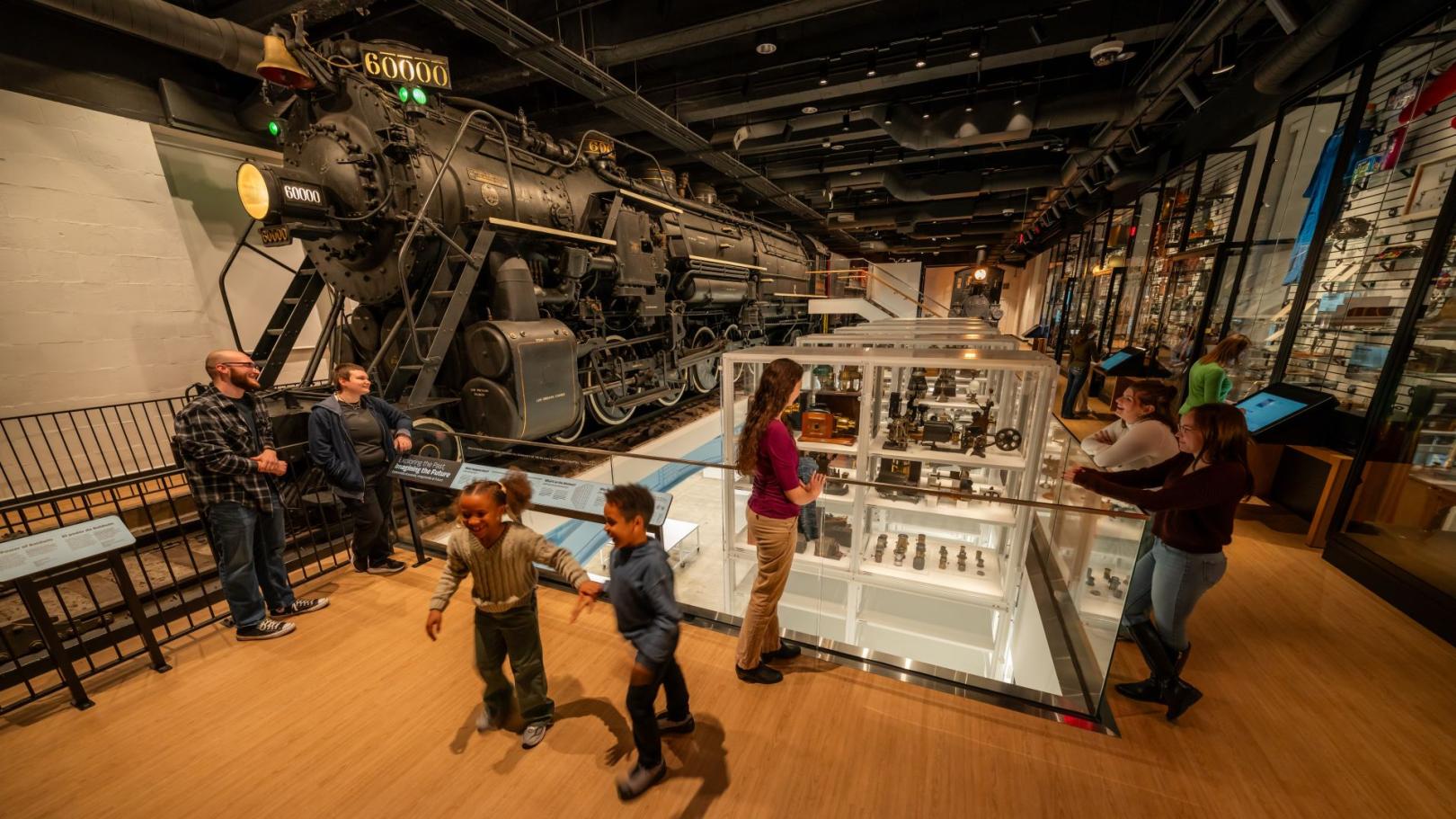
Yeah, not too long ago, this exhibit room went through a major renovation, reopening in late 2024, switching from a train-exclusive exhibit to multi-themed one. Number 60000 may no longer be movable while the Rocket moved to the Railroad Museum of Pennsylvania in August 2023, but you can still ever go inside 60000’s cabin to check it out alright. Plus, I ain’t joking: that room now stores REAL specific historical things which weren’t seen in public for so long, from early lightbulbs of Thomas Edison, to aviation drawings of the Wright brothers, to Benjamin Franklin’s glass harmonica!
Next, we’ve got the Philadelphia Museum of Art.
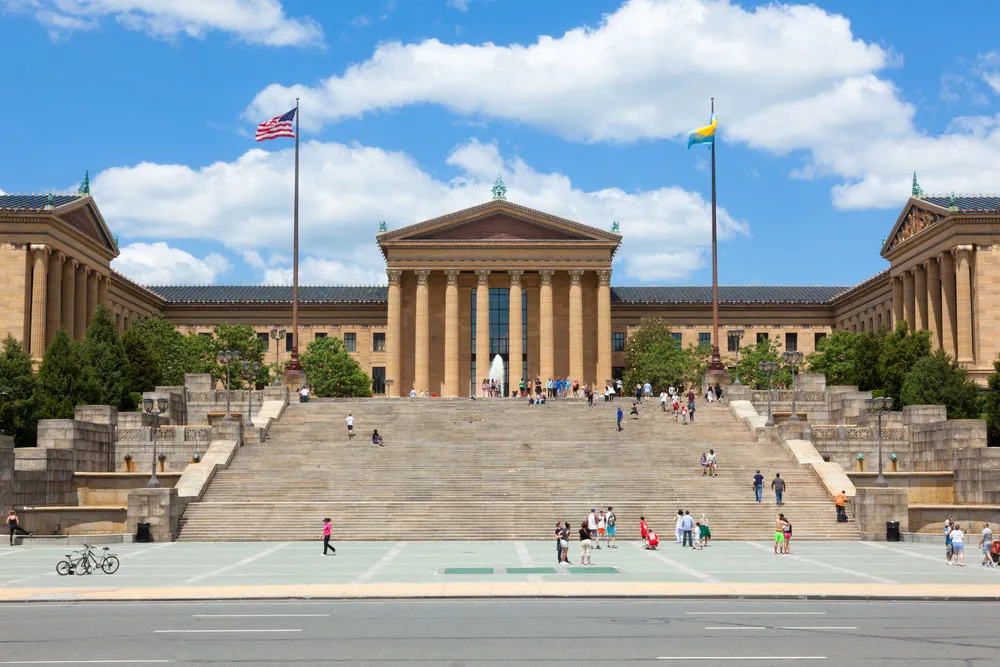
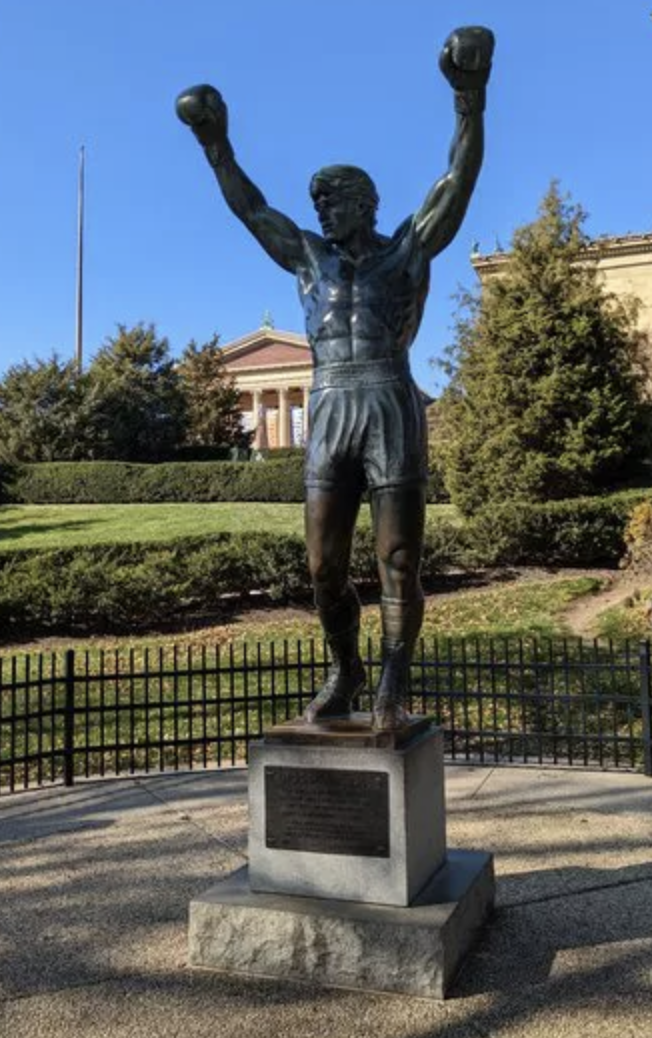
This art museum’s a world-class one. Not only that, but it is home to Paul Cézanne’s The Large Bathers painting, its own Vincent van Gogh Sunflowers, Pablo Picasso The Three Musicians, and Claude Monet The Japanese Bridge & Water Lillies paintings, the lone pre-modern Hindu temple architecture hall displayed in public outside the Indian subcontinent on Earth, other fascinating ancient European and Asian pieces (a painted wood reception hall from the 17th century, armor, tomb figures, a 15th century Buddhist temple ceiling, Indian stone sculptures from the 1st century as well, etc.), plus more. Did you also know this museum’s East entrance staircase was actually involved in one of cinema’s most iconic film sequences, which is why it received global fame afterwards, too? That film is the beloved 1976 movie Rocky; here, underdog boxer character Rocky Balboa does training to take on an undefeated World Heavyweight Champion, sprinting up that staircase in the process, and triumphantly raises his arms after he’s reached its top. As a result, the stairs used for this scene additionally become known as the “Rocky Steps.” Furthermore, a bronze Rocky statue was even placed there in May 1982 to promote the release of Rocky III.
And who said Philly has no museums specifically for younger ones? Third, it’s the Please Touch Museum, presently located in the Memorial Hall building of Philadelphia’s Centennial District.
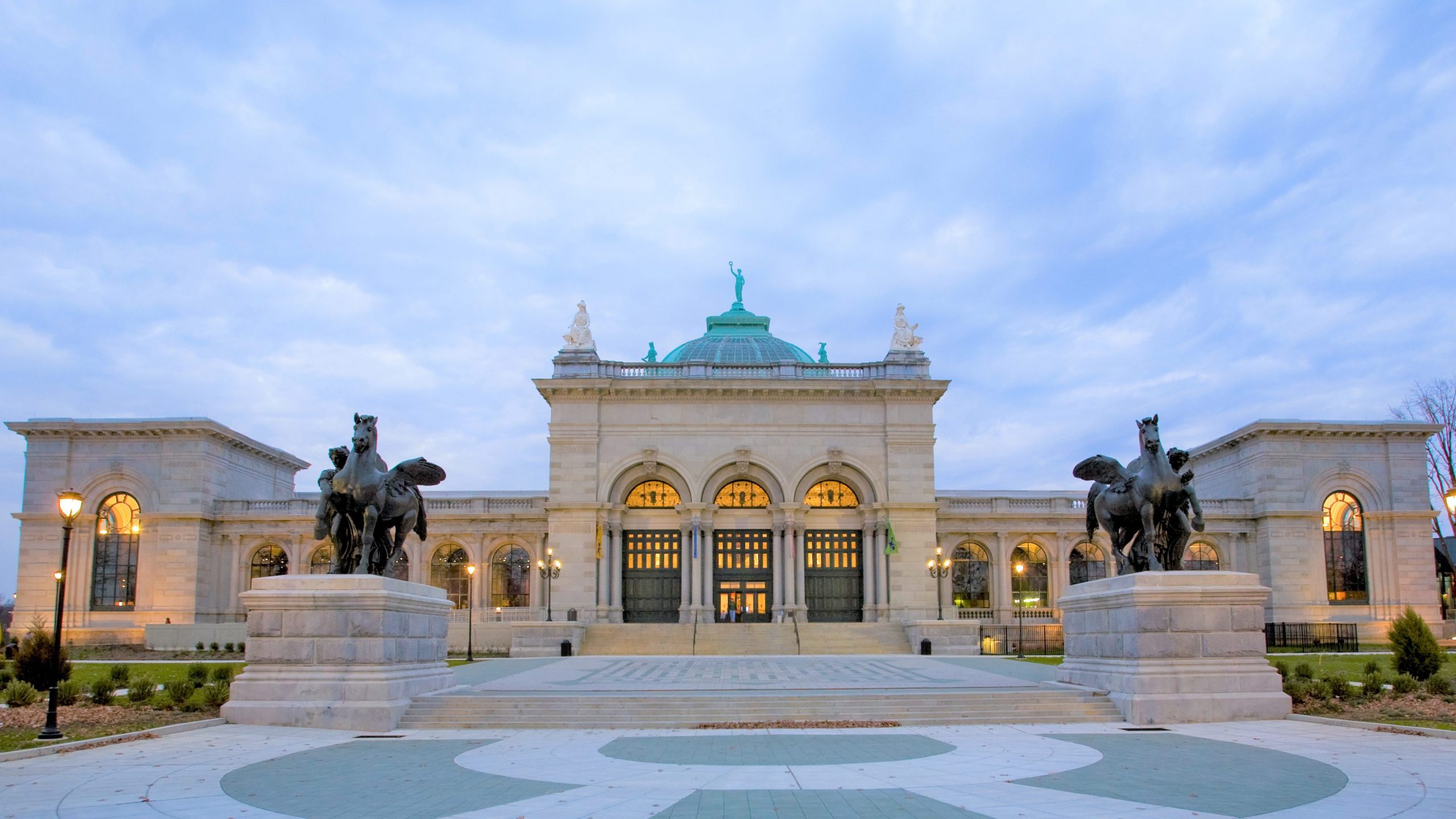
The PTM has actually been in different buildings through its history (each at a time); it moved to its current building location in September-October 2008. THIS museum’s own focus would be to make children 7 & under learn by letting them have completely interactive hands-on experiences (whether touching or climbing) to explore, without being told stuff like, “Keep off.” or “Please do not touch.” I’ll say, does the Please Touch Museum ever have tons of good things for kids indeed! These include a working carousel from 1908, an indoor, child-sized city streetscape, an aquatic play area (where kids can both splash around and sail boats), a daily live theater, zones centered on mechanical exploration, vehicles, & movement, a cozy in-museum castle for daily story times, toddler areas, and even an area themed after Alice’s Adventures in Wonderland, which is a life-size fantasy maze where kids can sip tea with the Mad Hatter, or play croquet with the Queen of Hearts.
You know what else is located in the city’s Centennial District?
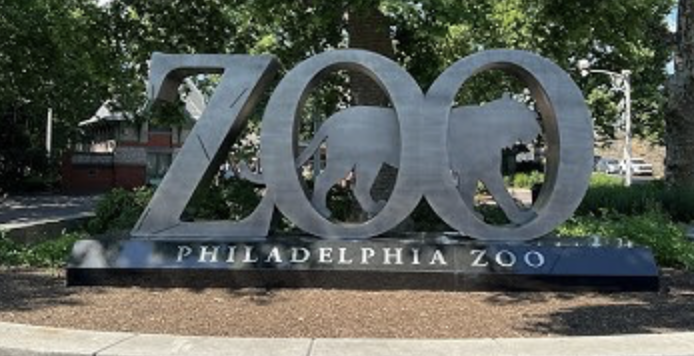
On top of that (again, I am not joking), the Philadelphia Zoo, having opened in July 1874, was the first actual one ever in the United States, as well! It, too, has had unique features, former and current.
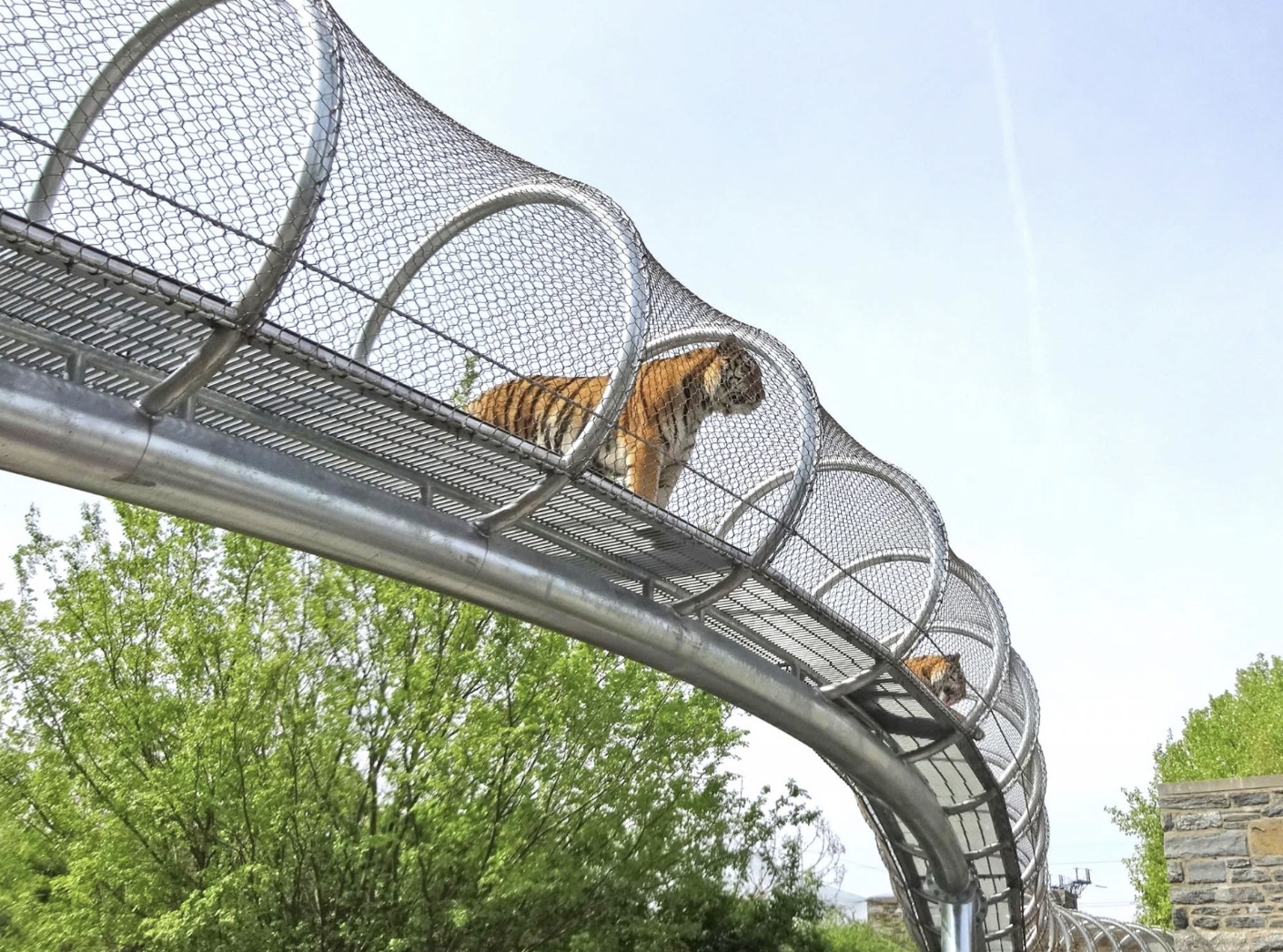
One current fascinating PZ feature, for instance, would be its Zoo360 Trail System (originally completed in 2011, then expanded), the first of its kind. When walking on some Philadelphia Zoo pathways, you can walk right under the Zoo360 Trail System above ya, & see certain primates, meerkats, and big cats walking/stopping through these tunnels from below.
The Philadelphia Zoo’s additionally got the Solitude Mansion (which isn’t referring to just any solitude mansion; that’s simply its name) on its grounds.
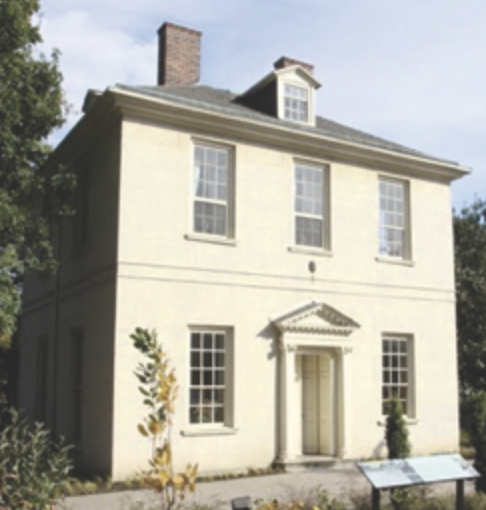
Not only was this mansion built in 1784 (long before Philadelphia Zoo even first existed) by John Penn (the grandson of William Penn, Pennsylvania’s founder), but it served as Earth’s first ever on-site animal health-research laboratory!
Moreover, PZ’s children’s zoo, opening in May 1938, was the very first of its kind in the Western Hemisphere, as well. Today it currently operates as KidZooU, an award-winning kids zoo with interactive learning features, a carousel themed after rainforest animals, an indoor treehouse play space that’s been around for generations, etc.
Anyway, as for a couple former Philadelphia Zoo features, one of them was the very first monorail which was ever part of an American zoo, as well.
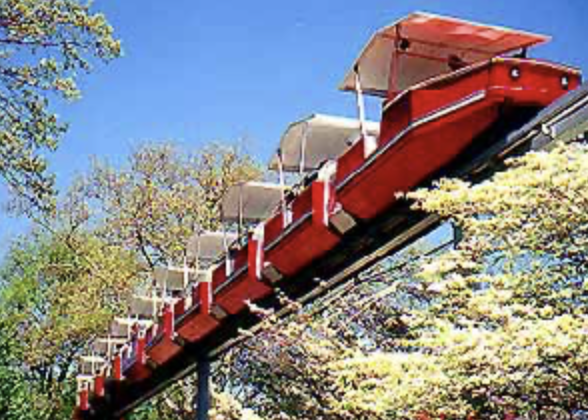
Opened in 1969, this PZ monorail was a scenic 2.2 mile ride, with three trains: one red (as shown in the image above), one blue, and one green, while also featuring North & South stations. Sadly, the safari ride went away in 2002 due to track safety and maintenance issues, as well as its manufacturer having shut down, leaving this monorail unable to get any spare parts (it’d already stopped using its green train after an accident involving running off the tracks long before then).
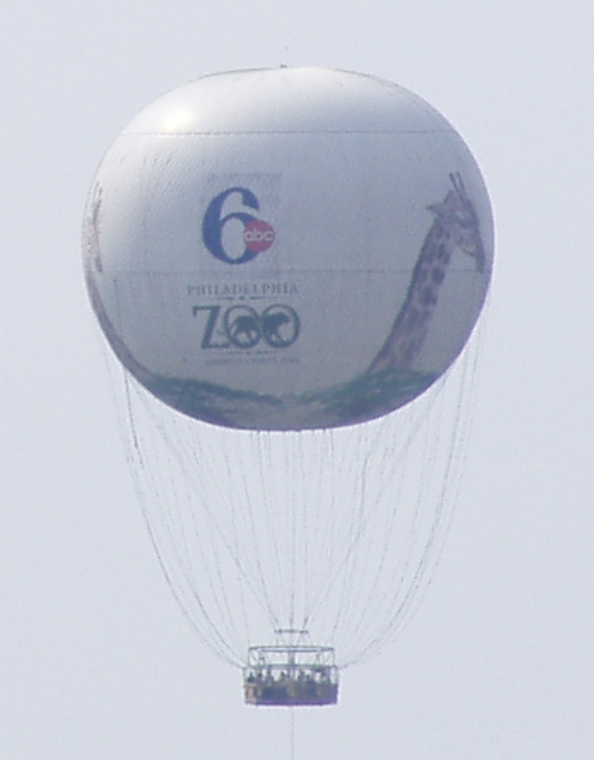
Afterwards, Philadelphia Zoo then opened a helium-filled passenger hot air balloon in June 2002 to replace its monorail. This balloon was named the Channel 6 Zoo Balloon because of Channel 6 (Philadelphia’s ABC TV station) sponsoring & branding the ride. The balloon lifted visitors 400 feet up for views of Philadelphia’s city skyline, plus Fairmount Park. However, the balloon, too, was sadly phased out in October 2014 as a result of maintenance costs and safety.
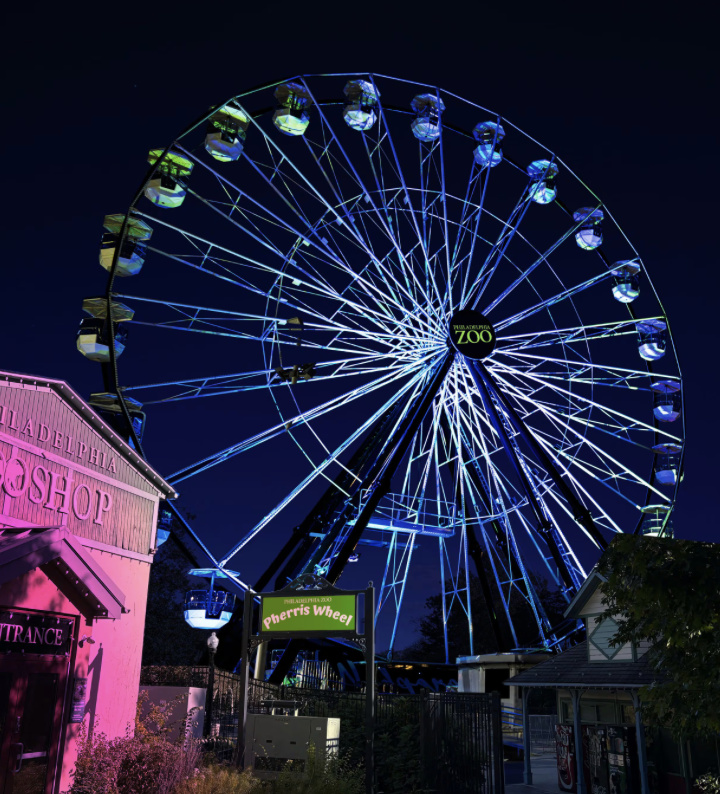
Still, from what I’ve known, this zoo has definitely been some place. On top of that, it additionally has temporarily had its own ferris wheel (the tallest one ever in Philadelphia’s history), named the “Pherris Wheel,” from November 2025 to December 2026, as a way of helping celebrate the United States’s 250th anniversary.
Moving on from that, next I’ll be talking about Philly’s Franklin Square too, which, believe me, is absolutely not just any park.
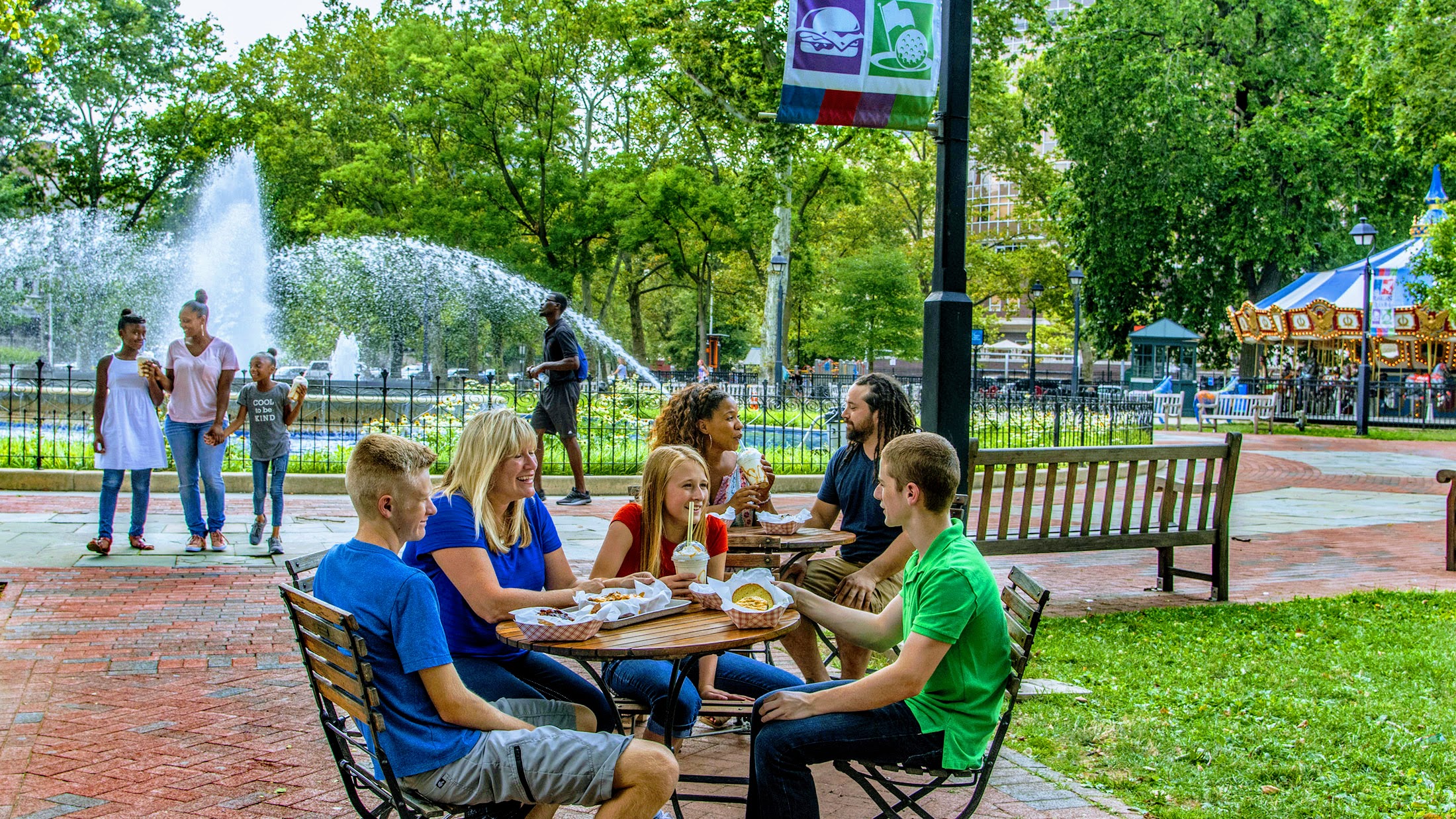
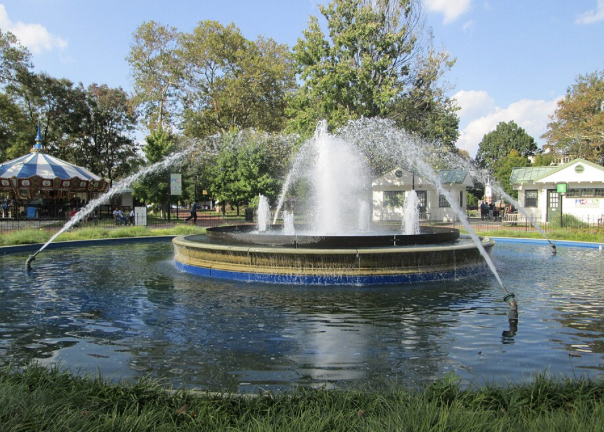
Franklin Square was one of the original 5 parks planned out by William Penn as he was organizing Philadelphia in 1682 (that’s right, Penn was the founder of Phila as well). Having been a colonial grazing common, a drill ground for the military, and an 18th-century graveyard throughout its history, FS interestingly blends this long legacy with modern family attractions. At Franklin Square’s center is also one of the United States’s oldest running public fountains.
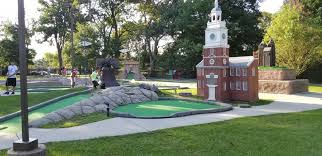
As for other current FS features, one of them happens to be Philadelphia’s only miniature golf course that’s themed after its landmarks, including Independence Hall and the Liberty Bell, as you can see in the image below.
In addition, not only Franklin Square has got a carousel (as shown in the couple of photos above) which features a variety of custom-carved ride-on animals like famous Philadelphia racehorses, play areas, & restaurants, but it hosts some of 4th city’s most notable events, including the annual Philadelphia Chinese Lantern Festival. Plus, let’s not leave out its PATCO commuter rail line station.
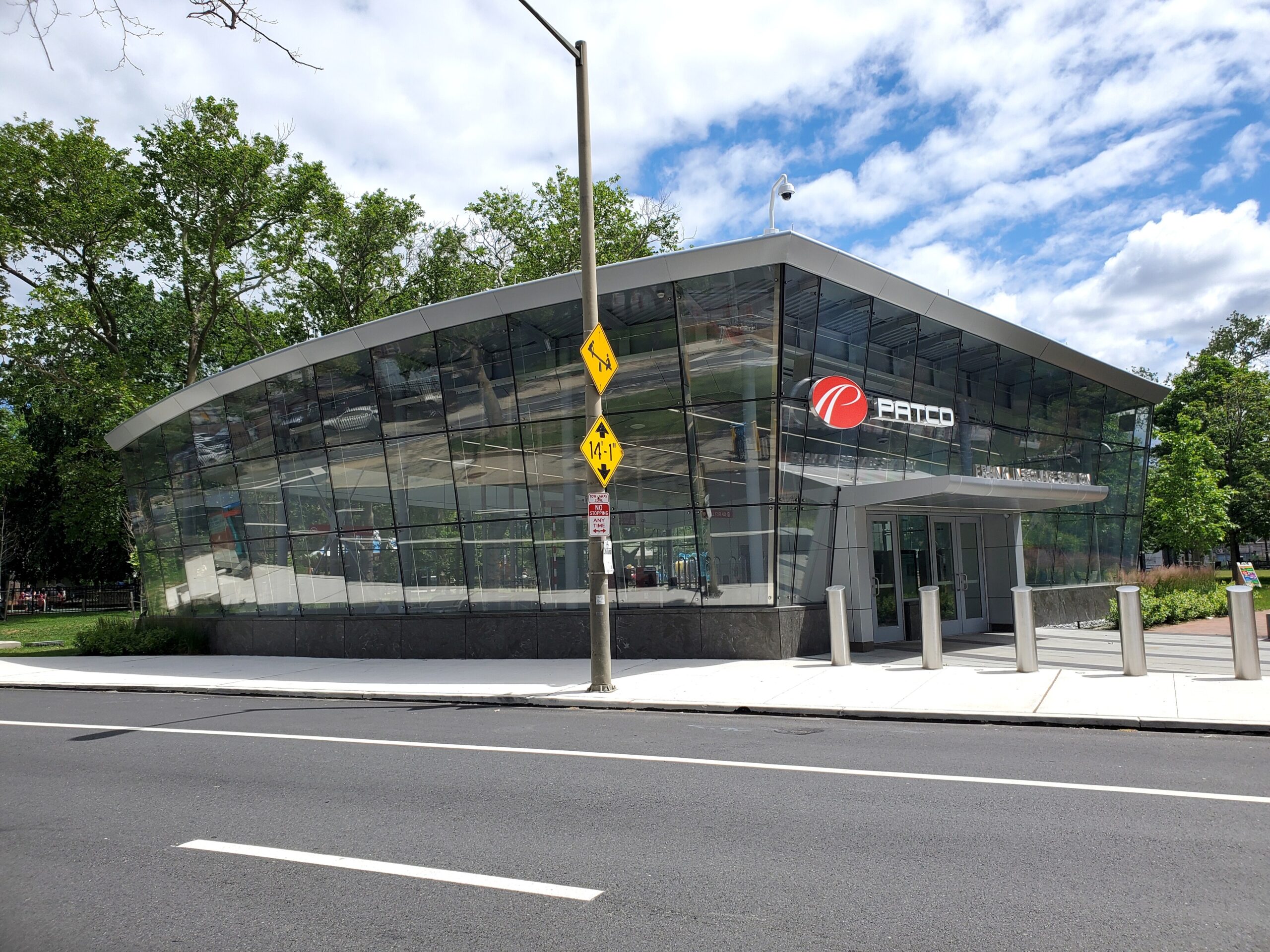
Having first opened in June 1936, the Franklin Square Station has, sadly, closed because of low ridership several times, the latest case being September 1979. After remaining closed yet again for decades, it reopened for the 3rd time in April 2025, and I am happy to say this station been more successful now than its previous few short-lived runs, mainly due to commercial development and housing in the surrounding area being quite larger now than during those previous operations.
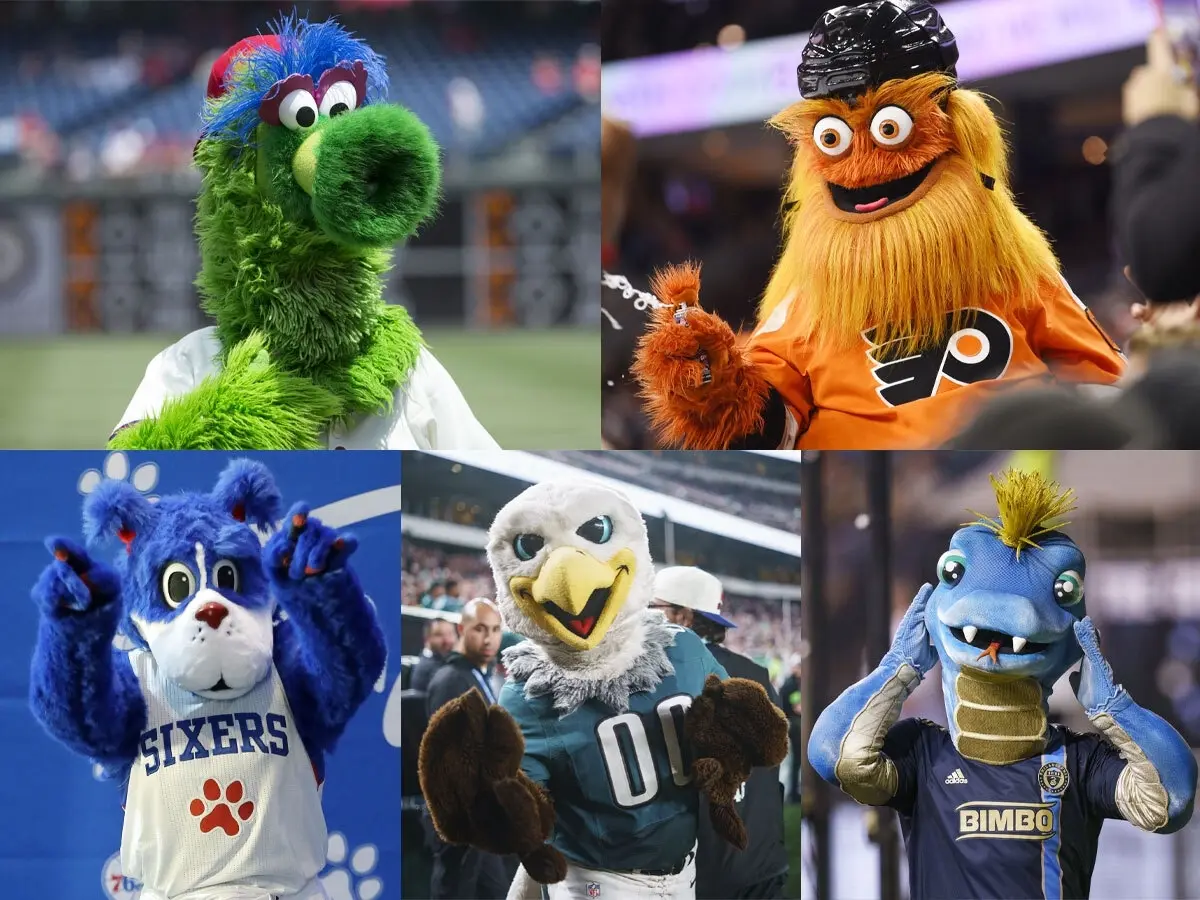
Another thing? Philadelphia’s got not only some of America’s most well-known professional teams (the MLB’s Philadelphia Phillies, NFL’s Philadelphia Eagles, NBA’s Philadelphia 76ers, & NHL’s Philadelphia Flyers), but it is actually widely considered the capital of iconic American sports mascots! Well, the Phillie Phanatic from the Phillies and Gritty of the Flyers are two mascot characters you might probably would recognize anywhere. Other mascots of this city, whether they are the 76er’s Franklin the Dog, the Eagle’s Swoop the Eagle, or the Philadelphia Union of the MLS’s Phang, are enjoyable too alright if you ask me.
Philly is additionally home to some rather notable American schools, the University of Pennsylvania (which was founded by Benjamin Franklin, too) being one of them. (My parents not only attended school there during their university days, but it’s also where they first met.)

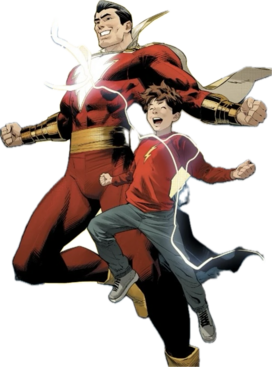
Lastly, Philadelphia happens to also be home to iconic DC Comics superhero Shazam/Billy Batson; in modern adaptions since 2012, that is.
Alright, now that’s very much it for specific things which touch me about the city of Philadelphia, Pennsylvania. Still, this doesn’t mean tons of other cities on Earth have their own equally unique & fascinating features too, although I’m afraid that is just another story.
CATCH MY OTHER POSTS!