WARNING: The following post talks about old cartoon series which are more adult-aimed at times, so viewer discretion is advised. Thank you.
DISCLAIMER: This is an opinion-based post only. So, no one HAS to agree with any of it, unless you simply want to.
Now, people may or may not know who Max and Dave Fleischer were, yet surely more of them would indeed be familiar with THESE characters…
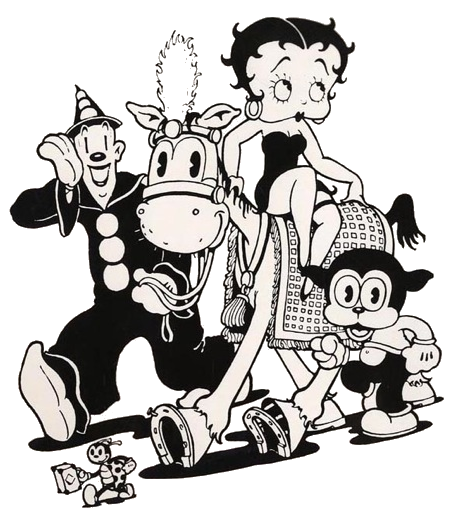
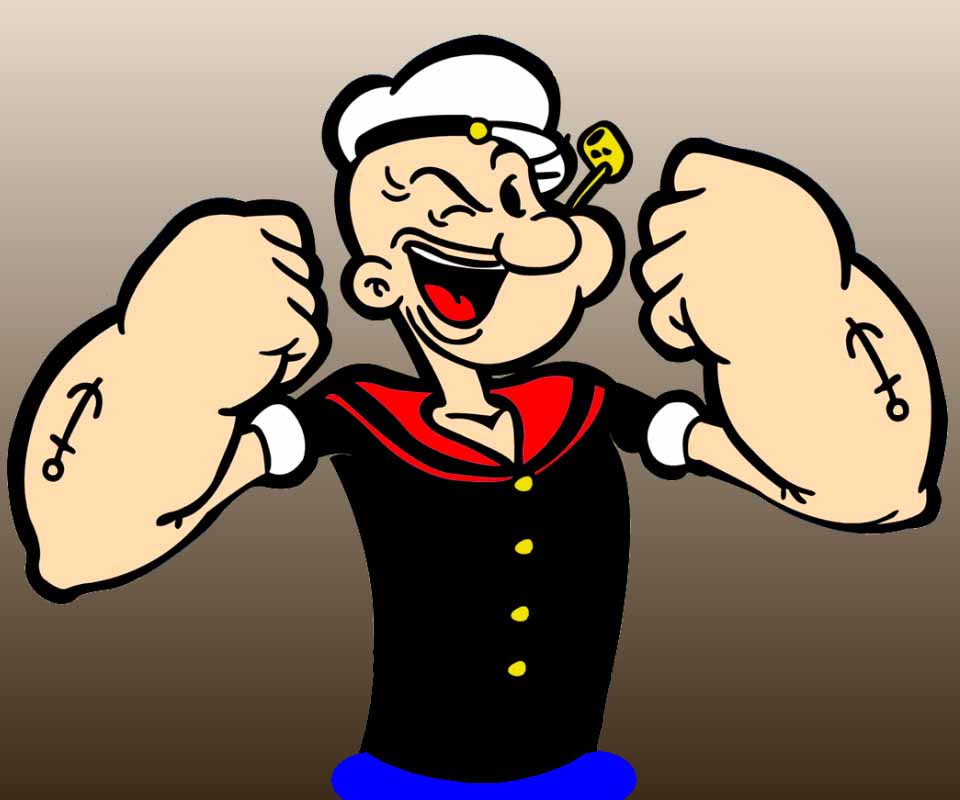
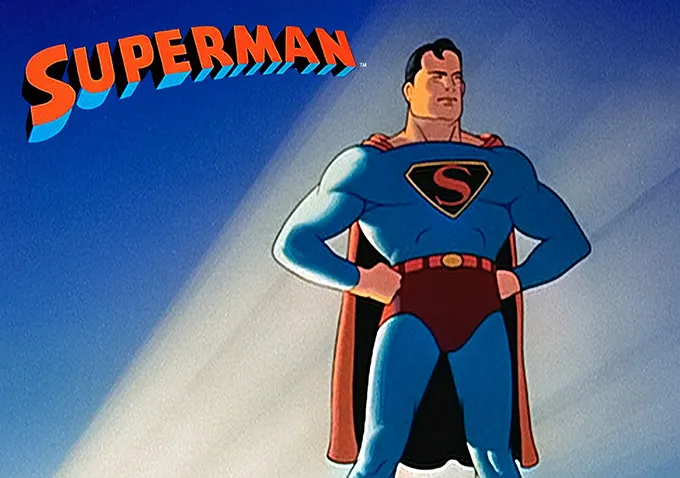
Well, Max Fleischer & Dave, his younger brother, were who brought not only the original theatrical Betty Boop and Popeye cartoons to life, but fairly more, including a series pretty much from the silent era, Out of the Inkwell (1918-1929) (not to be confused with the 1938 Betty Boop short), starring Koko the Clown, plus their very own Superman series (1941-1943) also! Both brothers had alike and different roles while working on their cartoons. Furthermore, oh yes, it was Max who created Koko & Betty, while Dave co-created Bimbo with Max, etc. The main Popeye characters, however, were NOT created by either brother; rather, they originated from a comic strip, itself named Popeye (originally Thimble Theatre), that’s been running for almost a century since 1929 (though its daily run ended in 1992; it’s been running on Sundays only, with reruns on the other 6 days of the week, since then).
However, these old Fleischer shorts, overall, haven’t been without certain issues. For one thing, if you well know the Betty cartoons, then you’ve probably also heard/read they sadly went downhill because of a specific Hollywood Code getting enforced in 1934. But that is not all: even BB’s pre-Code shorts (yes, their better era), Popeye, & so forth have been considered to have certain issues with them, as well. Therefore, if I myself were to have had those very Fleischer shorts, I’d have them different, and this post will be explaining how.
Throughout this post, I’ll be talking about different Fleischer cartoon series, pretty much from oldest to newest, in this order: 1. Out of the Inkwell starring Koko, 2. Screen Songs (1929-1938), 3. Talkartoons (1929-1932), 4. Betty Boop (1932-1939), 5. Popeye (1933-1957), 6. More Fleischer color shorts, and, last but not least, 7. The Fleischer Superman cartoons.
That said, we’ll now begin with, you know it, Out of the Inkwell (OotI was actually renamed The Inkwell Amps in 1927, but I’m just referring to the series as Out of the Inkwell, with that being its general, more recognized term).
Um-hmm, OotI was a groundbreaking milestone in animated history, introducing the innovative rotoscope technique. And yet, it’s gotten a fair few criticisms, too; here’s how I would’ve had them addressed…
First, one thing I’d have improved here is specific racial tropes being used in these shorts. Yes, as bothering as it sounds nowadays, tropes which are considered racist (or stereotypical) were painfully commonly featured in cartoons from the early and mid-20th century, Out of the Inkwell & multiple other classic Fleischer cartoons included. Furthermore, as you might or might not know, people were rather less considerate of stereotypes’ harmfulness in those times than they are today. This was for a number of reasons, including the perspectives of ignored race groups then only rarely being represented in writer’s rooms/studio boardrooms. Though, of course, it did gradually change later on over time; part of that had to do with the 1954-1968 Civil Rights Movement.
Still, I understand how harmful stereotypes really are to others. For instance, by reducing a complex culture or race to a few exaggerated visual and behavior traits, like exaggerated lips, savage behavior, or accents, the media can quite well strip away their humanity. Plus, this can affect how people perceive reality, make people in the stereotyped group see themselves present as just the joke, subservient sidekick, or villain, & so forth. Thus, I’d have fixed the situation of this series having harmful racial tropes. Exactly how? Koko, as well as numerous inkwell monsters here, utilized exaggerated white lips, pitch-black skin, and unkempt hair styles on occasions, which were derived from certain racist 19th-century minstrel tropes; I would have replaced them with clean, neutral clown makeup lines. Another thing would’ve been eliminating specific “humorous” depictions of marginalized groups (e.g. Native American, Black, or Asian caricatures) which occasionally popped up as magical transformations or background characters, too. Lastly for fixing OotI’s stereotypes, visual gags would’ve been focused on surrealist body contortions, object transformations, & classic vaudeville slapstick rather than identity-based mockery.
That clearly isn’t all for how Out of the Inkwell would have been different if it were up to me, though. I’m aware another particular criticized issue with the series – its repetitive format. Many of the OftI shorts followed a same formulaic structure:
- Max Fleischer draws Koko.
- Koko escapes into the real world.
- Koko causes mild mischief.
- Lastly, Koko’s forced back into the inkwell.
Also considering this series having 133 cartoons total, the plot format being used in much of the shorts can especially become tiresome if you do think about it. So here are examples of more kinds of plot formats being used if I were to have had OotI:
- Its dynamic reversed at times; Koko mistakenly pulls Max (or real-world objects) INTO the inkwell cartoon world, forcing Max to navigate animated physics.
- Serialized stakes included, like multi-part shorts, or recurring goals (e.g. Koko aiming on building a machine).
- Its environments varied beyond Max’s studio; for instance, Max having taken his sketchpad to a city park, on a moving train, etc.
- The “stretching” clutch limited; early shorts heavily relied on Koko simply stretching his libs to grab things, but had I myself had them, complex physics-defying environmental puzzles would’ve been used here.
- Interactive ink properties given, too. The ink would act like glue, acid, glue, or helium all of a sudden, forcing Koko to adapt to changing rules.
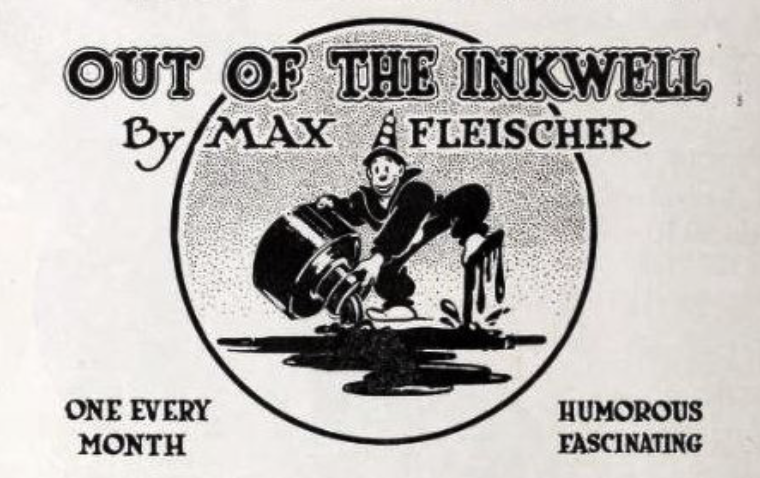
Something else? It’s additionally known that pretty much only Max Fleischer is who’s credited with presenting Out of the Inkwell (very much like what the picture above shows), despite actually having been both him AND his brother Dave. Yes, numerous old Fleischer cartoon series were like that for specific reasons; in Out of the Inkwell’s case though, it was because of just Max being who was the Rotoscope’s inventor, him playing the lone on-screen cartoonist here, & a typical early animation studio hierarchy trait of one figurehead promoted only, Max being their studio’s president. (As a side note, this was also a contributing factor to Max and Dave’s eventual falling out by the late 1930s-early 1940s. Afterwards, the two brothers never reconciled, nor did they see or speak to each other again for the rest of their lives.) Nonetheless, Dave took an equal part in presenting OotI; for instance, while Max played the on-screen animator, Dave himself was the actual “clown” here: he actually wore a physical clown suit, not to mention acted out all of Koko’s character movements on camera; that character’s personality was 100% based on Dave’s performance. (Well, Dave WAS credited as OotI’s director, but still.) Thus, if it had been up to ME, both Fleischer brothers would’ve been credited with presenting the Out of the Inkwell shorts.
Now, it should also be noted that a certain amount of characters in Out of the Inkwell had notable limited character depth. I get what you’re probably thinking: I’d have had THIS different as well. However, these characters, ironically, would NOT have been as charming/compelling then. What I’m saying, people? Take Koko’s pet dog for the series, Fitz (introduced 1923), for instance, already a beloved OftI character himself. While he may have generic dog traits here, this simplicity actually served several charming crucial purposes, like how Fitz’s traditional, straightforward dog characteristics provided a charming contrast to a live-action world created by Max. The same kind of thing goes for other characters in this series, too.
Alright, that’s all for how I would’ve had Out of the Inkwell different (I’d say it is very much fine other than those few things); therefore, I’ll now be moving on to the next series – Screen Songs.
Yeah, in the classic theatrical animation era, Screen Songs was a pioneering force, being what first introduced the format with a ball that bounces across the lyrics on screen you see for sing along productions, which Max Fleischer invented as well (it’s somewhat like the image right above says – “With the Famous Bouncing Ball”). Not only that, but SS served as a direct early version of modern karaoke, along with showcasing prominent guest musicians of the era, e.g. Rudy Vallée, the Mills Brothers, Cab Calloway, and Ethel Merman, blending their live-action performances with Screen Songs’s animation. However, I’m still aware that SS has received its own certain criticisms, also. Therefore, that’s right, I’ll explain how I would’ve had this next classic carton series different too.
Firstly, it’s a known fact that live theater audiences, particularly in urban markets which became increasingly cynical, often grew hesitant or self-conscious to sing aloud in dark rooms where these shorts were playing. To have been more encouraging for audience engagement, here is how I would’ve had it; the Screen Songs cartoons utilizing an animated ensemble chorus (a different one per short) which directly broke the fourth wall. Depending on the SS cartoon, these different choruses would’ve split the theater into competing sides (such as with a “Left Side vs. Right Side”), playfully (but never meanly) tease the audience, etc. Plus, instead of just standard bouncing, the ball would have encountered numerous comedic hazards on screen too, e.g. being swallowed by a character, exploding into something like fireworks on a certain high note, or accidentally getting stuck on a word. Yes, this would encourage audience engagement easier through laughter as well.
Second, like Out of the Inkwell & other old animated series, Screen Songs involved both a highly repetitive formulaic structure and, sometimes, harmful stereotypes. Here’s how I’d have fixed this. For SS’s repetitive format, the structure followed 3-4 minutes of cartoon gags which are loosely connected, a sudden transition to a either a text-based sing along segment with the bouncing ball or live-action, finally a brief animated wrap-up. For one thing, instead of its sing-along and animation being separate halves, the song lyrics’d have driven the plots of different shorts, but of course not quite in an exact same way every time. The journeys, conflicts, or goals of different shorts’ character(s) would’ve culminated in their musical numbers, making those songs feel like payoffs, not interruptions. Furthermore, lyrics here themselves would have been animated to match that short’s song’s theme, such as words melting for a summer theme, or turning into fish for an underwater/ocean one, keeping the usual kinetic energy high during a Screen Songs cartoon’s audience/viewer participation phase.
As for the situation with its stereotypes, Fleischer Studios excelled at making inanimate objects – whether buildings, instruments, or clocks – anthropomorphic (giving them rubber-horse personalities) in their animated shorts. By replacing Screen Songs’s racial caricatures with this sort of surreal, anthropomorphic item humor would’ve kept these shorts chaotic, edgy, & inoffensive. Also, to have celebrated the artistry of Cab Calloway, the Mills Brothers, etc. without caricaturing it, these shorts would fully’ve bypassed specific “minstrel-adjacent” cartoon tropes. Rather, they’d have translated their real-life charisma, stage presence, and stylish wardrobe directly into more realistic styles in the animation.
Another thing I’d have had different about this series is, well again, crediting both Max and Dave presenting the series, rather than only Max like in actual reality. Other from that, I believe SS is very much fine. Yes, it did sadly decline by the later 1930s & ultimately ended in July 1938. Although then, even if Screen Songs hadn’t faced its decline and engaged audiences far more, the era had been changing for specific reasons, like shifts how cinemas were operating, as well as that era’s music styles just requiring a different type of presentation.
So, yeah, I will next talk about the Fleischer animated short series which first introduced Betty Boop (plus Bimbo the Dog)…Talkartoons!

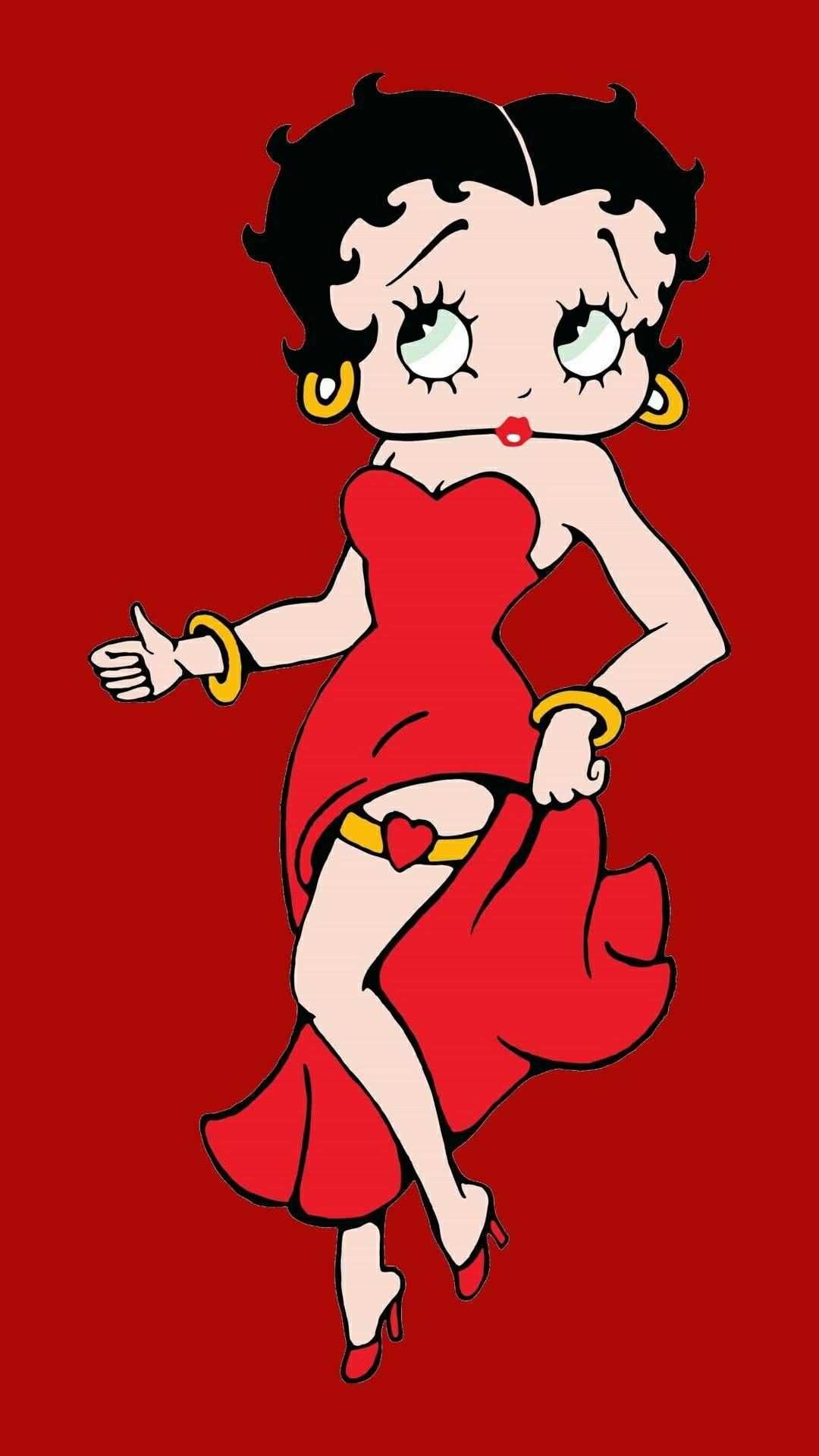
Having lost its pre-Code charm, as well as Betty’s original co-stars, the Betty Boop series still continued for the rest of that decade while increasingly declining in theaters, until it finally succumbed in August 1939, with “Yip Yip Yippy” being its last short. Thing is, however, while not quite the worst BB post-Code cartoon of all, “Yip Yip Yippy” ironically doesn’t feature Betty herself! (Her final classic short appearance, “Rhythm on the Reservation,” had been released a month earlier; “Yip Yip Yippy” was just put to fulfill both the contract & release schedule.) There WERE plans for more Betty cartoons after this one, however they ended up being scrapped, thus ultimately bringing her series to an end. Times had changed. Not only was Betty Boop unable to have the much fuller charm (with Betty’s famous image, Bimbo, Koko, etc.) it once did, but it’d already lost too much commercial success by then after having been badly affected by the Hays Code for years.
Though, even with that, I know Betty still would have been the top-animation icon she is nowadays like in actual reality alright. I mean, in reality, her cartoon series ended three years earlier in 1939 (over 8 decades ago), not to mention the better era of it lasted few years only, and just how iconic & widely used is she today?
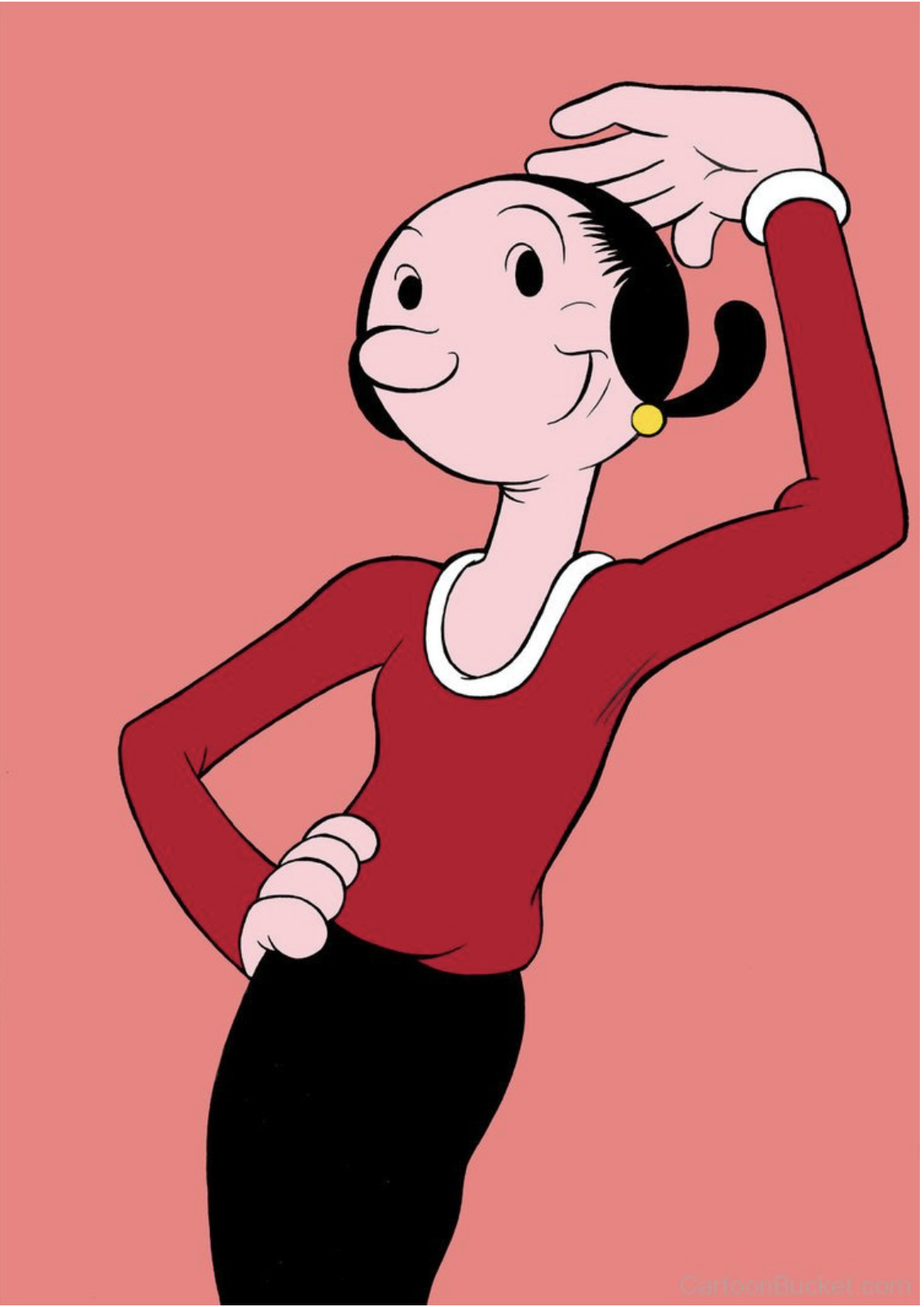
Another certain issue with the Popeye shorts? Just are overly repetitive/formulaic they are. If you’re familiar with these cartoons, you should know they rather constantly use this same old plot formula:
- Bluto steals the damsel-in-distress incarnation of Olive.
- Bluto beats Popeye up.
- Popeye eats his spinach.
- Popeye manages to defeat Bluto and successfully rescue Olive.
One such format, for instance, was used in Popeye’s 1933 self-titled debut short (surely it did have its unique aspects, including having him and Betty Boop actually appear, even dance together for the only time in a classic Fleischer cartoon, but still, I’m just saying people).
P.S. Do forever Rest in Peace:
Fleischer brothers Max (July 19, 1883 – September 11, 1972) and Dave (July 14, 1894 – June 25, 1979).
All the deceased people who ever worked on the Popeye comic strip, as well as for DC Comics.
Also, of course, any other deceased person who worked the Fleischer cartoons too.